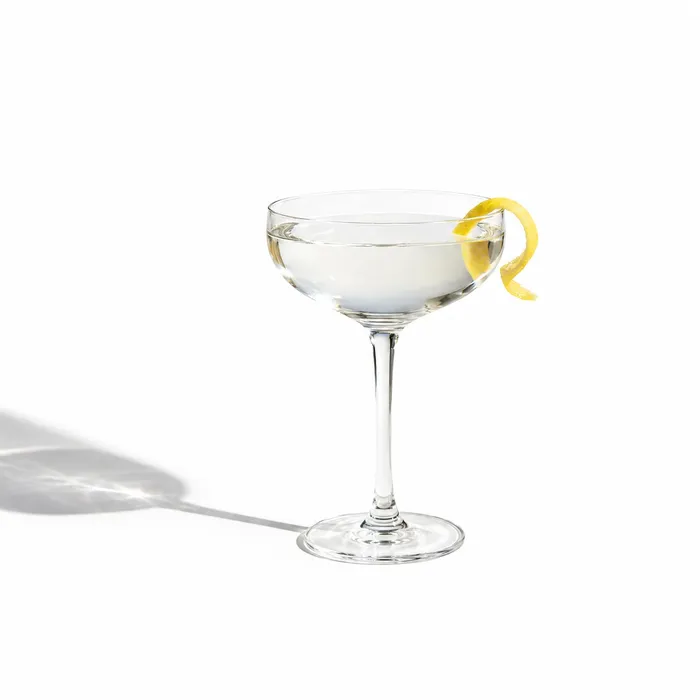
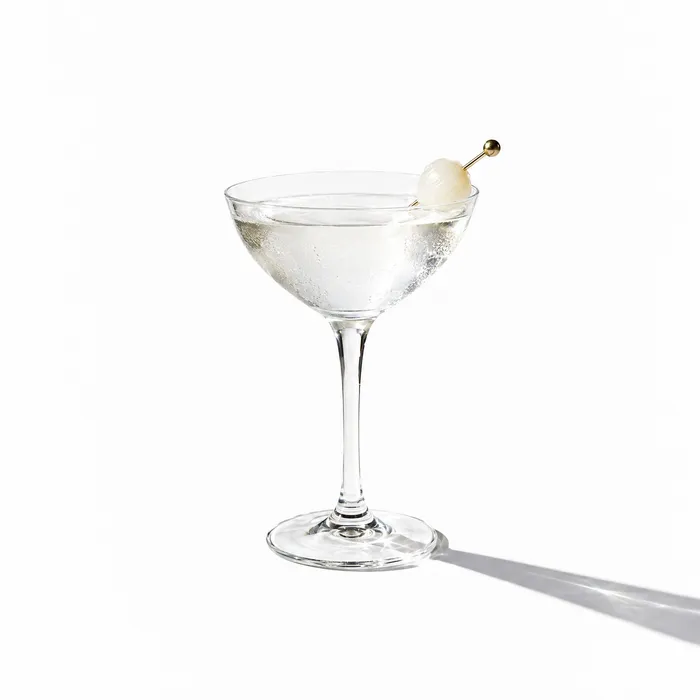
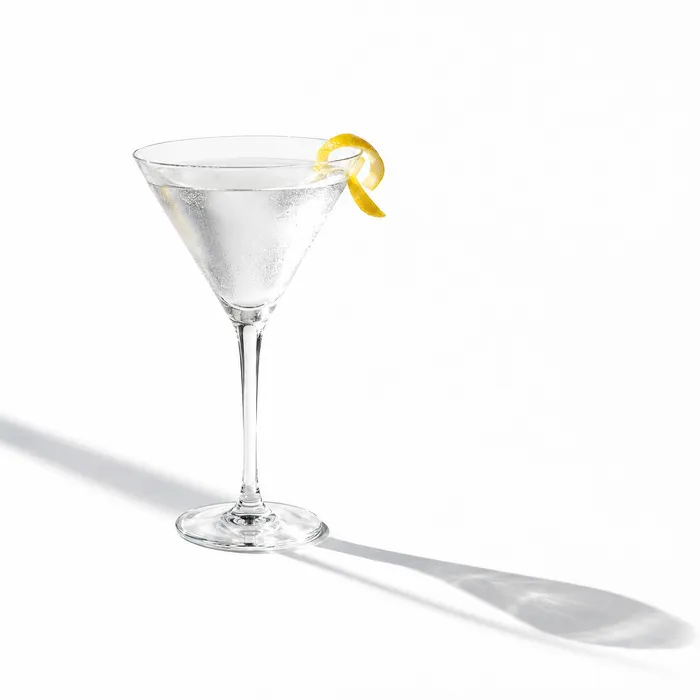
Dirty Martini(ダーティ・マティーニ)
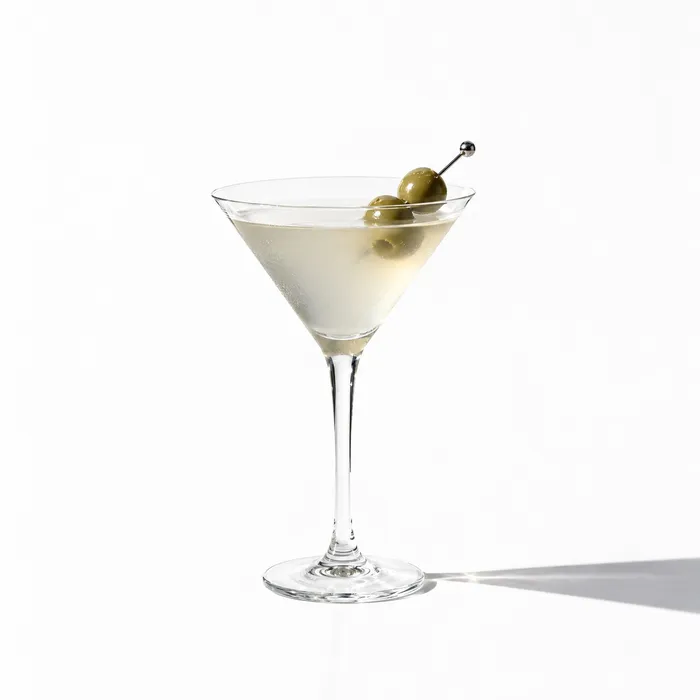
The Martini with its hands in the brine jar — colder, saltier, unapologetically savoury.
01Recipe
Recommended recipe
House spec — an editorial spec drawing on the sourced versions below.
| Ingredient | Measure |
|---|---|
| Gin | 60 ml |
| Dry vermouth | 10 ml |
| Olive brine | 10 ml |
Total volume (pre-dilution)
6 : 1 : 1
- 01
Add all ingredients to a mixing glass filled with ice.
- 02
Stir until very cold — this drink takes cold seriously.
- 03
Strain into a chilled coupe. Garnish with olives.
Garnish — Cocktail olives
02Taste profile
- Sweetness
- 22Light
- Sourness*
- 0Faint
- Bitterness
- 35Light
- Fruitiness
- 22Light
- Herbal*
- 18Faint
- Alcohol
- 82Intense
- Crisp
- 68Strong
Independent editorial scores, 0–100. *Estimated from the ingredient list — a profile sketch, not a verdict.
03History
The olive-as-garnish predates the brine: Martini drinkers were plopping olives in by the 1910s. Somewhere mid-century, bartenders started letting the brine in too — first a whisper, then a pour.
The exact inventor is unrecorded; by the 1940s it was entrenched enough that Franklin D. Roosevelt was famously partial to a dirty Martini. Its modern reputation rides on the 'dirty' label itself — a word that made a recipe sound like a confession.
Purists sneer, but the Dirty Martini is a legitimate branch: salt is a flavour, and brine is vermouth's mineral cousin.
Origin contested — the entry keeps verified record and received legend distinct.
Sources — Difford's Guide · Robert Simonson, The Martini Book (2020)
04Recipe versions
Each version is shown exactly as recorded in its source — unverified claims are flagged.
- Difford's Guide
Simon Difford · Web · unverified
- Gin60 ml
- Dry Vermouth10 ml
- Olive Brine10 ml
Stir and strain; brine to taste.
Pick 2 versions to compare — up to 3 on a wider screen
05Variations
06The map
Ingredients
Spirits