Hugo Spritz(ユーゴ・スプリッツ)
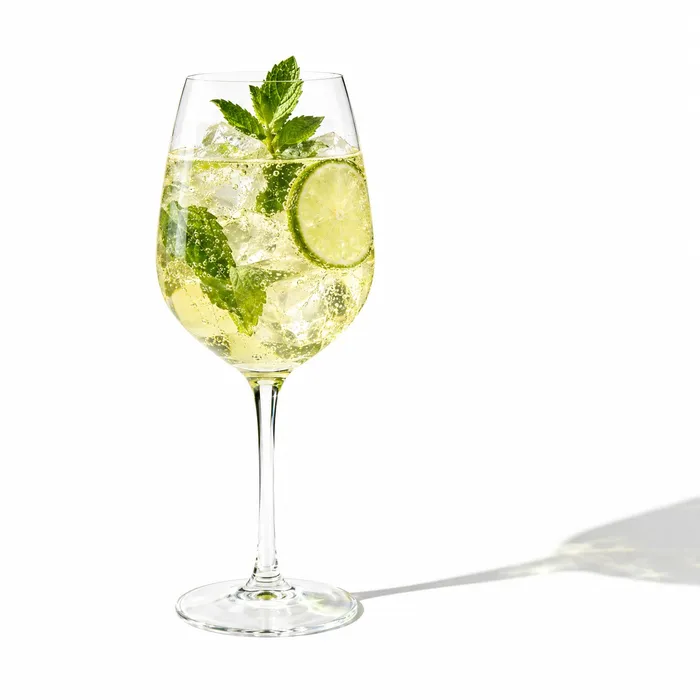
South Tyrol's answer to Aperol — elderflower, prosecco, mint, and an alpine evening.
01Recipe
Recommended recipe
House spec — an editorial spec drawing on the sourced versions below.
| Ingredient | Measure |
|---|---|
| Prosecco | 90 ml |
| Elderflower cordial | 30 ml |
| Soda water | 30 ml |
| Mint leaves | 4 |
Total volume (pre-dilution)
3 : 1 : 1
- 01
Fill a wine glass with ice and tuck in mint leaves.
- 02
Add elderflower cordial, then prosecco, then soda.
- 03
Stir once gently. Garnish.
Garnish — Mint sprig · lime wheel
02Taste profile
- Sweetness
- 60Strong
- Sourness*
- 0Faint
- Bitterness
- 18Faint
- Fruitiness
- 65Strong
- Herbal*
- 34Light
- Alcohol
- 18Faint
- Crisp
- 40Moderate
Independent editorial scores, 0–100. *Estimated from the ingredient list — a profile sketch, not a verdict.
03History
Naturno, South Tyrol, 2005. Bartender Roland Gruber's recipe — prosecco, elderflower syrup, mint, soda — spread across the Dolomites as an aperitivo alternative, then jumped the Alps into Germany and Austria.
It's the youngest drink in this collection with a fully documented birth: name, inventor, town, year, all undisputed — a rarity in cocktail history.
The Hugo splits neatly with the Aperol: same architecture (sparkling wine + bitter-ish liqueur + soda), but where Aperol is bitter-orange, Hugo is floral-green.
Sources — Difford's Guide · PUNCH · La Cucina Italiana
04Recipe versions
Each version is shown exactly as recorded in its source — unverified claims are flagged.
- Roland Gruber's original
Roland Gruber · 2005 · Person · unverified
- Prosecco90 ml
- elderflower syrup30 ml
- soda30 ml
Build over ice.
Pick 2 versions to compare — up to 3 on a wider screen
05Variations
06The map
Spirits
07Related cocktails
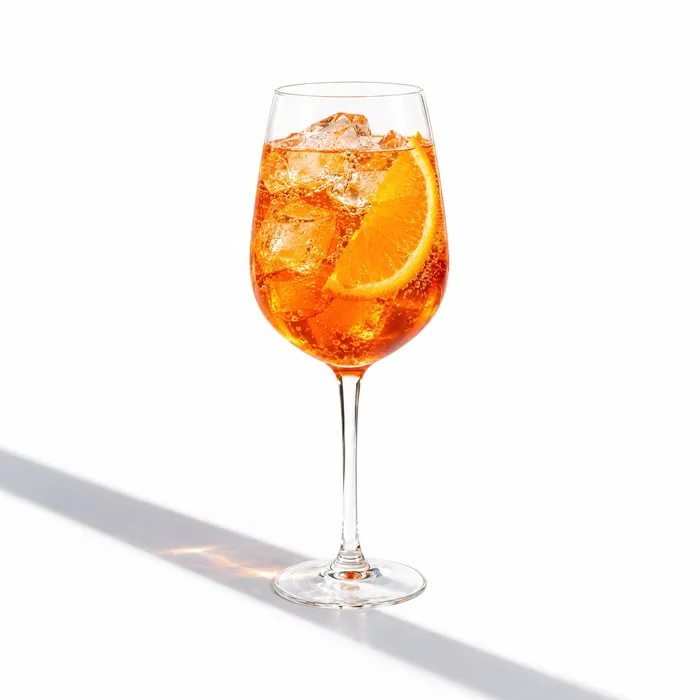
Aperol Spritz
アペロール・スプリッツ
Built · Wine glass
A variation on this drink
AperitivoBitterLight
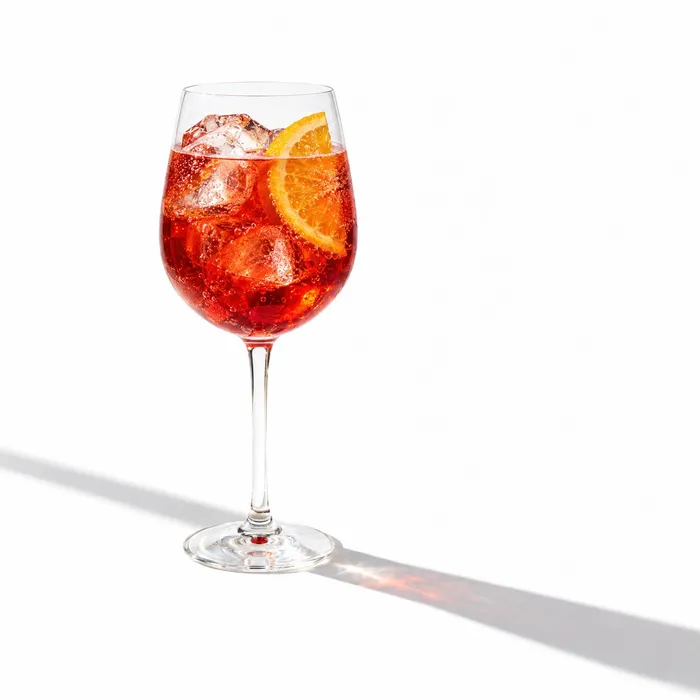
Negroni Sbagliato
ネグローニ・スバリアート
Built · Rocks
A variation on this drink
BitterLightAperitivo
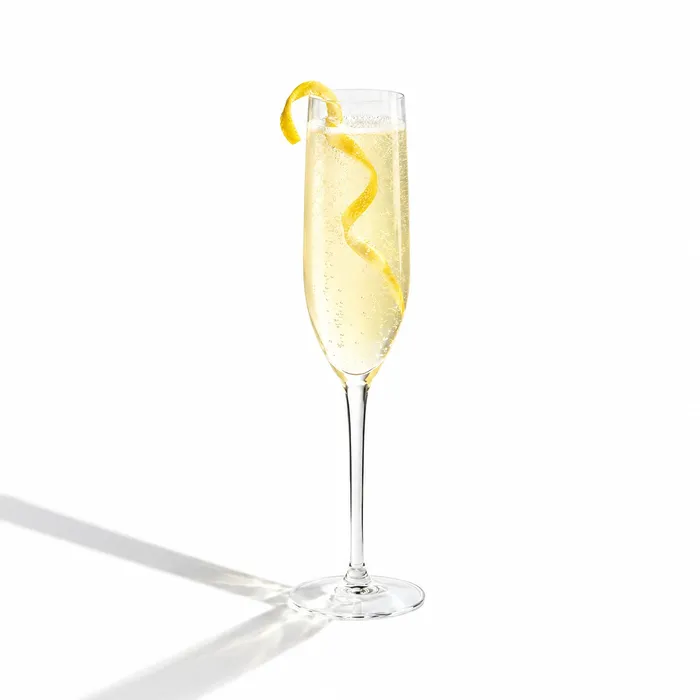
French 75
フレンチ75
Shaken · Champagne flute
Also fresh
FreshSourElegant
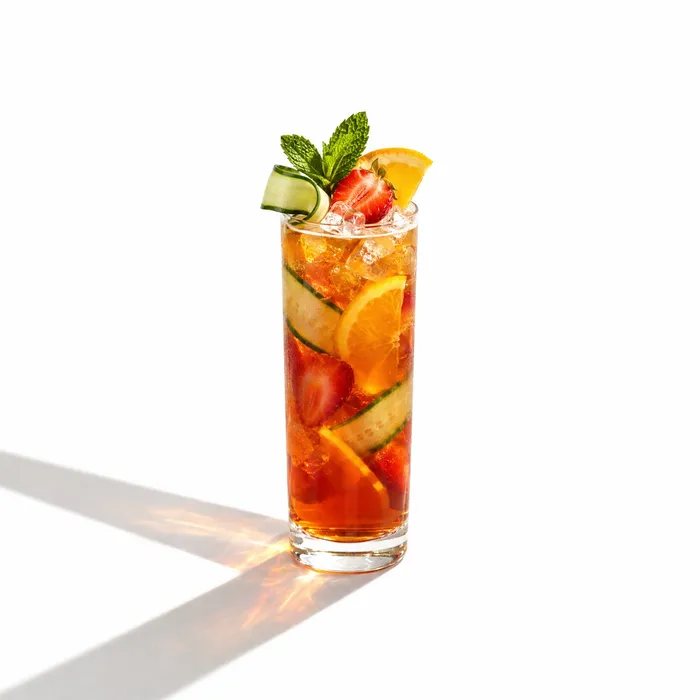
Pimm's Cup
ピムス・カップ
Built · Highball
The drink this descends from
FreshFruityLight